
If pigeons return to the same window ledge every morning, the droppings on the pavement below are often the first thing you notice. Elsewhere, the problem may be harder to see, particularly if birds have found a gap under the eaves or a sheltered spot behind a shop sign.
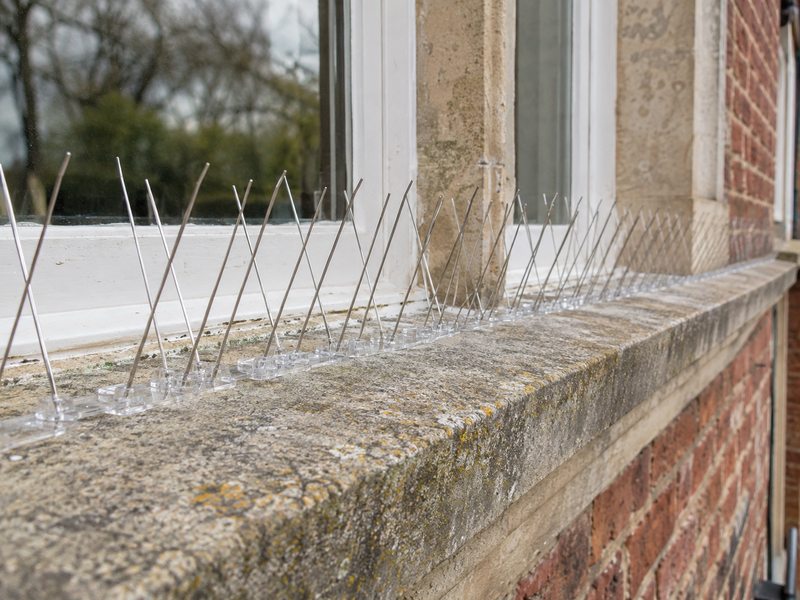
Bird proofing starts with finding out what attracts birds to that part of your building and how they reach it. At Pest Control 24 Seven, our technicians inspect the affected areas and recommend measures suited to the birds, the building and the people who use it. That might mean fitting spikes along a narrow ledge, closing a gap that gives birds access to a roof space or using netting across a larger opening.
Whether you manage a shop, look after a block of flats or need advice for your own home, our bird proofing FAQs can help you understand your options.
Call our Operations Team on 0203 640 8247 or email info@24sevengroup.co.uk.
-
What is bird proofing?Bird proofing uses deterrents such as netting and spikes to stop birds landing, roosting or nesting in specific areas of a building. It can help reduce droppings around entrances and walkways and protect vulnerable areas such as gutters, roof spaces and ledges.
-
Which bird proofing method is best for my building?It depends on the species, where the birds are gathering and how the building is used. Bird netting works well across open areas such as loading bays and roof canopies, while bird spikes suit individual landing points such as ledges, signs and parapets. We can also recommend falconry for open sites where physical barriers are impractical.
-
Can bird proofing stop pigeons nesting on a roof?Yes. Bird proofing can block access to sheltered nesting spaces and deter pigeons from using nearby landing points. We assess the wider roof area because treating one section in isolation can move the problem to another part of the building.
-
Can you install bird proofing on a listed building?Yes. We design discreet systems around the building’s features and work with estate managers and conservation officers where appropriate. Depending on the site, options can include colour-matched netting, discreet wire systems or falconry.
-
Is bird proofing humane?Professional bird proofing aims to keep birds away from problem areas without injuring them. Choosing the right system for the species and installing it correctly helps prevent birds from becoming trapped.
-
When should I arrange a bird proofing survey?Arrange a survey as soon as you notice birds returning regularly to the same ledges, roof spaces or sheltered areas. Early assessment gives us time to plan the installation. If we find an active nest, we assess the situation before any work goes ahead.
-
Can you remove bird droppings before installing bird proofing?Yes. We can remove accumulated bird droppings, also known as guano, and clean affected surfaces before fitting netting, spikes or other deterrents. This helps restore hygiene and prepares the area for installation.
-
How long does bird proofing last?The lifespan depends on the system, the quality of installation and how exposed it is. Regular inspections can pick up loose fittings, damaged netting or gaps caused by weather or other work on the building.
-
How much does commercial bird proofing cost?The cost depends on the size and complexity of the area, the system we recommend, how we’ll access the work area and whether cleaning or other preparation is needed. A site survey allows us to confirm the scope and provide a quote for your property.