
Quick Answer
To stop pigeons entering a warehouse, identify their entry points, inspect potential roosting areas and implement appropriate bird proofing solutions. Professional bird netting, bird spiking and a coordinated bird management programme can help prevent access, discourage roosting and reduce the likelihood of recurring problems.
Pigeons entering warehouses can create significant problems for commercial and industrial businesses. Effective bird proofing helps prevent birds from accessing buildings, roosting above stored goods and creating ongoing hygiene and maintenance concerns.
Warehouses often provide attractive conditions for pigeons, including sheltered roof structures, elevated beams and open loading bays. Once birds become established, their droppings, feathers and nesting materials can contaminate stock, damage equipment and create health and safety risks.
Understanding how to identify problem areas and implement suitable bird proofing measures can help warehouse managers, facilities teams and property owners protect their premises.
1. What To Do First, Identify Where Pigeons Are Entering
Before choosing a bird proofing solution, establish how pigeons are accessing the building. Observe the warehouse from a safe location and look for birds repeatedly entering or leaving the same areas.
Common access points include:
- Loading bay doors and open entrances
- Damaged or missing roof panels
- Gaps around ventilation equipment
- Open roof structures and exposed beams
- Unprotected canopies and service areas
- Gaps around external pipework and building penetrations
- Recording these locations helps identify where bird proofing is most urgently required.
2. Check Where Pigeons Are Roosting
Pigeons often settle on elevated beams, roof trusses, pipework and sheltered ledges. These locations provide opportunities for roosting and nesting, particularly where activity is undisturbed.
Look for signs such as:
- Feathers and nesting materials
- Accumulated pigeon droppings
- Repeated bird activity around specific structures
- Contaminated stock or packaging beneath roosting locations
Avoid accessing elevated areas without appropriate training and equipment. A professional bird control survey can identify difficult-to-reach areas and recommend suitable protection.
3. Protect Stock And Operational Areas
Where pigeons are entering storage or production areas, assess the risk to goods, packaging, equipment and employees. Move vulnerable stock away from affected locations where safe and practical. Restrict access to areas with heavy contamination and arrange appropriate cleaning. For food production, distribution and other hygiene-sensitive environments, bird contamination may create additional operational and food safety concerns.
4. Arrange Professional Pigeon Guano Cleaning
Accumulated pigeon droppings can present health risks, particularly when dried deposits are disturbed and airborne particles are released. Avoid dry brushing or pressure washing contaminated material, which may generate potentially hazardous dust or aerosols. Professional pigeon guano cleaning allows contamination to be assessed and removed using suitable protective equipment and controlled cleaning methods. Cleaning should also be coordinated with any proposed bird proofing installation to prevent new contamination accumulating in treated areas.
5. Install Suitable Bird Proofing Systems
Once access points and roosting locations have been identified, a professional assessment can determine the most effective bird proofing methods. Different warehouse structures may require different approaches.
Bird Netting
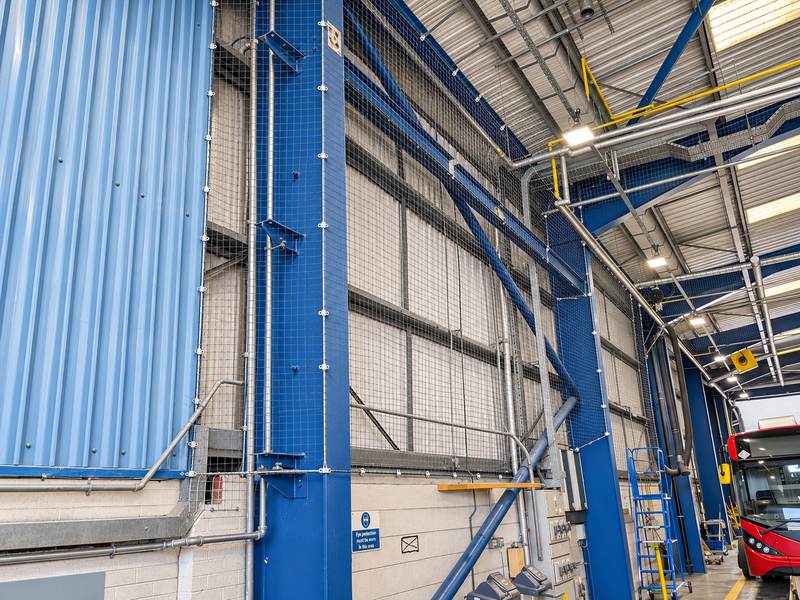
Bird netting creates a physical barrier that prevents pigeons from accessing protected areas. It is particularly suitable for large roof structures, loading canopies, exposed beams and sheltered spaces. Professionally installed Industrial Bird Netting can provide a long-term solution for commercial and industrial properties.
Bird Spiking
Bird spikes discourage pigeons from landing and settling on suitable surfaces, including ledges, signage, structural projections and narrow roosting areas. Correct placement is essential to ensure the system effectively protects the intended surfaces.
Falconry Bird Control
Falconry uses trained birds of prey to discourage nuisance birds from occupying specific locations. This can be particularly useful for larger commercial estates, industrial facilities and open sites where bird activity extends beyond individual roosting locations. Falconry can complement physical bird proofing as part of a wider bird management programme. Pest Control 24 Seven provides professional Bird Proofing Services tailored to the layout and operational requirements of commercial premises.
6. Maintain And Monitor Bird Proofing Measures
Installing bird proofing is an important preventative step, but regular inspections are necessary to maintain its effectiveness.
Warehouse and facilities managers should:
- Check bird netting for damage or displacement
- Inspect bird spikes and other deterrents
- Monitor previously affected roosting locations
- Identify new openings or changes to the building structure
- Ensure maintenance contractors do not damage installed systems
- Arrange further inspections if bird activity returns
- Including bird proofing checks within planned building maintenance can help identify problems before they develop into larger infestations.
Why Bird Proofing Matters For Commercial Warehouses
Pigeon activity is more than an inconvenience. Without suitable preventative measures, businesses may experience ongoing contamination, additional cleaning costs and operational disruption.
Effective bird proofing can help:
- Protect stored goods: Reduce the risk of droppings and nesting debris contaminating products and packaging.
- Improve hygiene: Limit opportunities for birds to contaminate operational and storage areas.
- Protect building structures: Reduce the accumulation of droppings around roofing, ventilation equipment and building surfaces.
- Reduce ongoing maintenance: Address repeated roosting and access issues rather than relying solely on reactive cleaning.
- Support safer working conditions: Reduce exposure to bird-related contamination in areas used by employees and contractors.
The most effective approach combines an assessment of bird activity, appropriate exclusion systems and regular monitoring.
Important Wildlife Considerations
Wild birds, including pigeons, and their nests are protected under UK wildlife legislation. Certain actions involving active nests, eggs or birds may be unlawful without the appropriate legal basis or authorisation. Bird proofing work should therefore be planned carefully, particularly during nesting activity. A professional assessment can help determine how and when exclusion measures can be installed lawfully, without trapping birds inside the building or disturbing protected nesting activity.
Common questions
-
What is the best bird proofing solution for a warehouse?The most appropriate bird proofing solution depends on the warehouse structure, the extent of bird activity and the areas requiring protection. Bird netting is often suitable for larger enclosed or sheltered spaces, while bird spikes may help protect individual ledges and roosting points.
-
Is bird netting suitable for large industrial warehouses?Yes. Professionally designed Industrial Bird Netting can protect extensive roof structures, loading bays, canopies and other vulnerable areas.
-
Can bird proofing prevent pigeons from returning?Properly designed and maintained bird proofing can significantly reduce access to protected areas. However, birds may move to other suitable locations, so regular monitoring and a wider bird management strategy may be necessary.
-
Can bird proofing be installed around ventilation equipment?Yes, where suitable. Bird proofing can help protect areas surrounding rooftop plant and ventilation equipment, provided installations maintain necessary airflow, safe maintenance access and equipment operation.
-
Should pigeon droppings be removed before installing bird proofing?Existing contamination should be assessed and, where appropriate, professionally removed before or alongside installation. This helps address hygiene risks and allows affected surfaces to be inspected.
-
How often should warehouse bird proofing be inspected?Inspection frequency depends on the building, bird activity and type of installation. Checks should form part of planned maintenance, with additional inspections following building works, adverse weather or renewed bird activity.
Professional bird proofing for warehouses and industrial buildings
Preventing pigeons from entering a warehouse requires more than simply removing visible birds or cleaning affected areas. Pest Control 24 Seven provides professional bird proofing and bird management solutions for warehouses, distribution centres, factories and commercial premises. Our services include bird netting, bird spiking, falconry and associated pigeon guano cleaning, helping businesses address existing bird activity and reduce the risk of recurring problems.
Whether your premises require protection around loading bays, roof structures or difficult-to-access areas, our team can assess the site and recommend suitable bird proofing measures. Find out more about our Bird Proofing Services or contact Pest Control 24 Seven to discuss your requirements.